
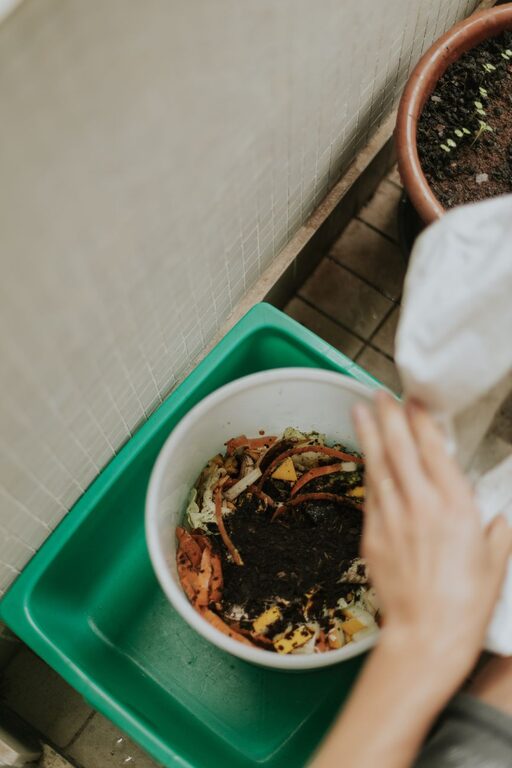
Composting at home is a great way to reduce waste, enrich your garden soil, and support a healthier environment. If you’re new to composting, the process might seem a bit confusing at first. But with a few simple tips and a little patience, you can create your own compost pile or bin that will transform everyday organic waste into valuable nutrient-rich soil.
In this guide, we’ll cover everything you need to know to start composting at home, including what materials to use, how to manage your compost, and troubleshooting common problems.
What is Composting?
Composting is the natural process of recycling organic matter, such as kitchen scraps and yard waste, into a dark, crumbly soil amendment called compost. This compost enriches garden soil, helping plants grow stronger and healthier without the need for chemical fertilizers.
Why Compost at Home?
– Reduce Waste: Composting keeps food scraps and yard waste out of the landfill, reducing methane emissions.
– Improve Soil: Compost improves soil texture, moisture retention, and nutrient content.
– Save Money: Using homemade compost reduces the need to buy commercial fertilizers or soil conditioners.
– Support Sustainable Gardening: Composting encourages eco-friendly gardening practices and a circular waste system.
Getting Started: What You Need
Before you start, gather the basics:
1. Choose a Composting Method
– Compost Bin: An enclosed container that keeps your compost tidy and speeds up decomposition.
– Compost Pile: A simple pile in your yard, ideal if you have space and don’t mind a less tidy setup.
– Tumbler: A rotating bin designed for easy mixing and faster composting.
– Worm Bin (Vermicomposting): Uses worms to break down food scraps indoors, perfect for small spaces.
2. Pick a Location
Choose a well-drained, shady spot close to your kitchen or garden. This will make it easier to add materials and maintain your compost.
3. Gather Materials
Compost needs a mix of “greens” and “browns”:
– Greens (Nitrogen-rich): Fruit and vegetable scraps, coffee grounds, grass clippings, fresh leaves.
– Browns (Carbon-rich): Dry leaves, straw, shredded paper, cardboard, small branches.
How to Build Your Compost
Step 1: Layering
Start your compost with a layer of coarse browns like twigs or straw to improve airflow. Then alternate layers of greens and browns—a good rule of thumb is about 2-3 parts browns to 1 part greens to keep the compost balanced.
Step 2: Keep It Moist
Your compost should be about as moist as a wrung-out sponge. Add water if it’s too dry, and add more browns if it becomes too wet or smelly.
Step 3: Turn the Pile
Aeration helps speed up decomposition by providing oxygen to microbes. Turn your compost pile or bin every 1-2 weeks with a garden fork or compost aerator.
What Can You Compost?
Compostable Items Include:
– Fruit and vegetable scraps
– Coffee grounds and filters
– Tea bags (check if compostable)
– Eggshells (crushed)
– Grass clippings and leaves
– Plant trimmings and flowers
– Shredded newspaper and cardboard
Avoid Composting:
– Meat, dairy, and oily foods (these attract pests)
– Diseased plants or weeds with seeds
– Pet waste
– Coal or charcoal ash
– Synthetic chemicals or plastics
Troubleshooting Common Compost Problems
– Bad Odor: Usually caused by too much moisture or too many greens. Add more browns and turn the pile for better airflow.
– Slow Decomposition: Add nitrogen-rich greens, turn more often, or chop materials into smaller pieces.
– Pests: Avoid meat and dairy, keep the bin covered, and bury food scraps inside the pile.
– Dry Compost: Add water and greens to increase moisture.
When Is Compost Ready?
Compost is ready when it looks dark, crumbly, and smells earthy. This can take anywhere from a few months to a year, depending on the method and materials used. Use finished compost in your garden beds, potting mix, or as mulch.
Tips for Success
– Chop or shred scraps before adding them to speed up breakdown.
– Keep a small kitchen bucket for scraps to save trips outside.
– Avoid adding large amounts of any one material.
– Be patient—composting is a natural process and takes time.
Final Thoughts
Starting to compost at home is easier than you might think and has many benefits for your garden and the planet. By following these beginner tips, you’ll create nutrient-rich compost that supports healthy plants and reduces waste. With a little practice and attention, composting can become a rewarding and eco-friendly part of your daily routine.
Happy composting!